The Complete Guide to Industrial Machinery Relocation
Industrial Machinery Relocation requires more than just transport. It’s about maintaining uptime, minimizing risk, and securing the performance of high-value assets. At King Movers Dubai, we understand the cost of downtime, and our goal is to help you manage Industrial Machinery without unnecessary delays, risks, or overspending.
Whether you’re shifting a full factory, moving a single piece of heavy equipment, or relocating a brewery, understanding every layer of the process is key to a successful Industrial Machinery Relocation. Let’s walk through what it takes—from planning and safety to final execution.
Why Proper Planning is the Backbone of Industrial Machinery Relocation
Define the Project Scope and Inventory
Every relocation begins with a full inventory of equipment. Take detailed notes of the weight, dimensions, and condition of each machine. It’s not just about large machinery; the smaller tools and related systems need to be logged too. Use clear labeling for packaging and loading.
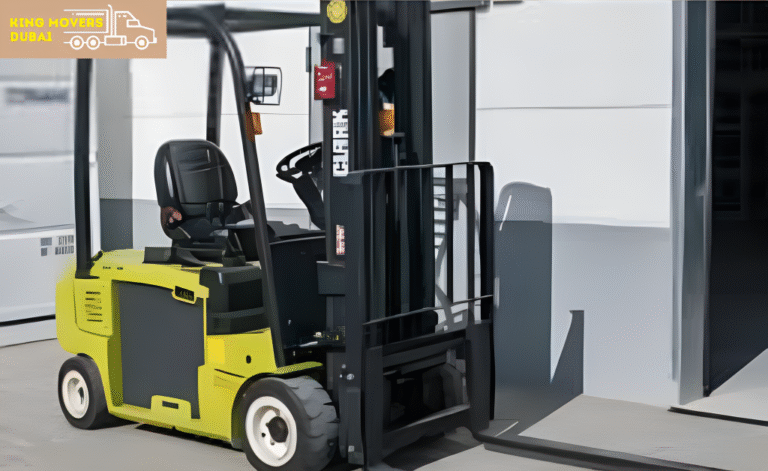
Project management at this stage includes assigning timelines, understanding any factory shutdown needs, and planning for temporary storage if required. Identify rigging needs early. Will you need a crane? How many forklifts? What about trained riggers? This step will shape your budget and resource allocation.
Key Safety Measures That Can’t Be Skipped
Equipment Lockout and Hazard Controls
Before the move begins, machines must be properly powered down and locked out to prevent accidental startups. This isn’t optional. When dealing with industrial-grade power, safety lapses can cause injury or worse.
Understand Load Limits and Trailers
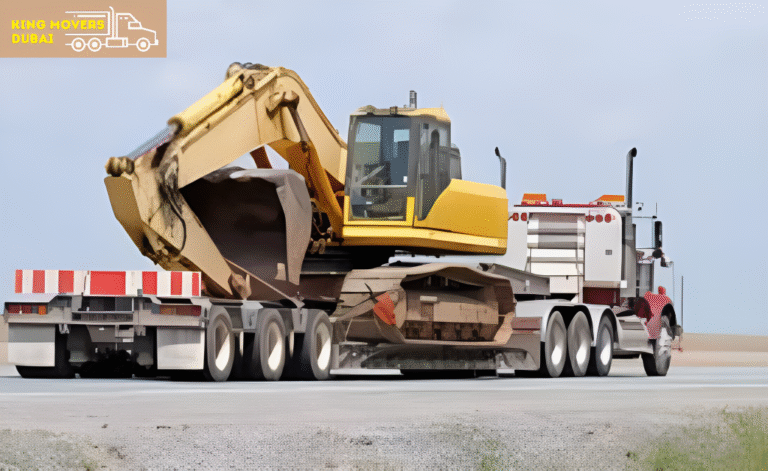
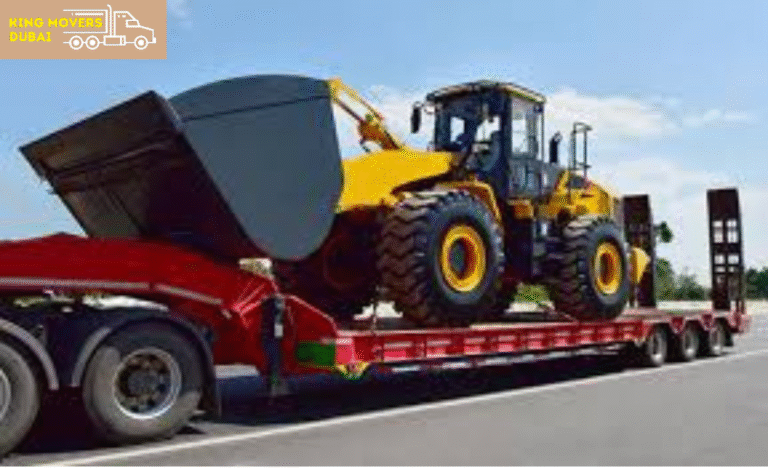
Not every trailer is fit for industrial machinery. Flatbeds, step-deck trailers, and hydraulic systems may all come into play. Ensure your team is trained in balancing heavy weight loads, especially when dealing with uneven equipment like brewery tanks or processing units.
Site Assessment and Warehouse Access
Will your current or new warehouse allow forklift and crane access? Are the floors reinforced to handle the weight? Think about the size of your factory doorways, ramps, and even ceiling height. These structural concerns must be resolved in advance.
Execution Phase: On-Site Coordination and Transport
Rigging and Machine Handling
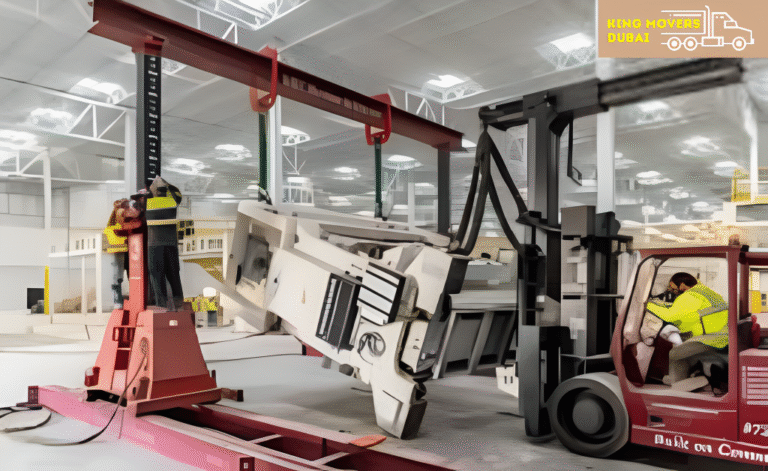
Using the right rigging is critical. Slings, chains, spreader bars—each has a role based on the machine’s shape and dimensions. Professional riggers ensure the load is secure, balanced, and properly attached. This protects the machine, your people, and your budget.
Loading and Trailer Positioning
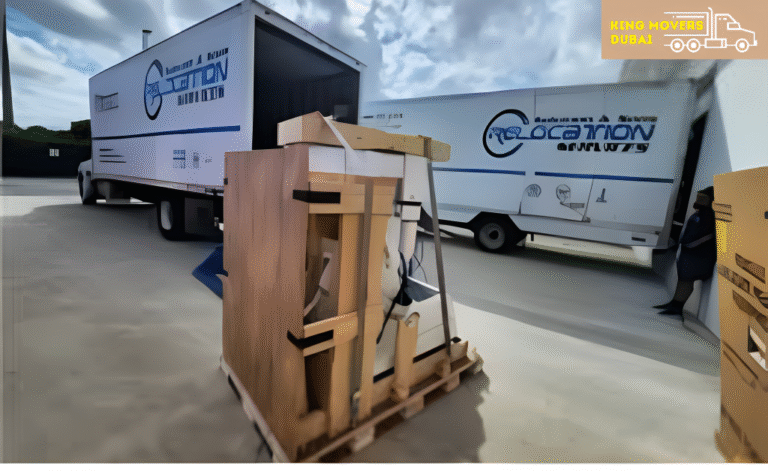
Machines should be loaded with precision. Some equipment may require lift-assist technology. Others, like conveyor systems or custom fabrication lines, need sectioning before transport. Don’t forget protective packaging to shield components from dust, weather, or vibration damage.
Logistics and Real-Time Communication
A dedicated logistics coordinator tracks everything from warehouse departure to delivery. King Movers Dubai uses advanced route planning to avoid rough roads and tight corners. If delays or changes happen, the team communicates in real-time to keep the project on track.
What to Do After the Equipment Arrives
Installation and Utility Hookups
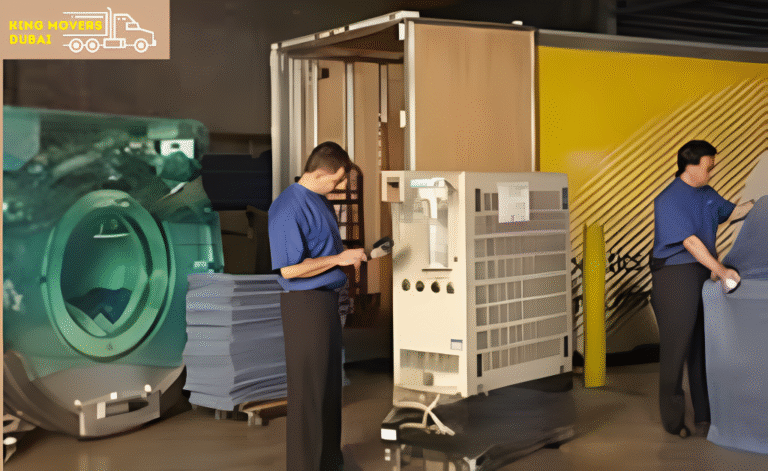
Relocation doesn’t stop at delivery. Industrial equipment must be unboxed, rigged into place, and aligned according to factory floor plans. Electrical, air, and hydraulic lines must be reconnected safely. Having utility professionals on standby can save hours, even days, of downtime.
Inspections and Performance Checks
Always inspect for damage and alignment issues before resuming operations. Calibrate where needed. This is also the best time to update software, clean internal components, or replace worn parts—getting the most from your relocation investment.
Budget Control Tips for Industrial Machinery Relocation
A relocation project has many moving parts, and costs can rise quickly. Here’s how to keep your spending smart:
- Use local riggers familiar with your equipment type
- Choose trailers based on actual machine dimensions, not assumptions
- Book warehouse space in advance if needed
- Avoid rush timelines that require overtime labor
- Always verify insurance coverage for machinery in transit
If you want a transparent quote and no hidden charges, King Movers Dubai provides clear pricing and complete project management from start to finish.
How to Minimize Downtime During Industrial Machinery Relocation
Downtime equals lost revenue. Here are proven ways to keep it in check:
- Schedule relocations during maintenance windows
- Run parallel installations if possible
- Use backup units where critical
- Prepare utility connections before delivery
- Prioritize core machinery over peripheral units
Planning for downtime should be part of your initial scope, not an afterthought.
Final Thoughts: Choose Experience for Peace of Mind
Industrial Machinery Relocation isn’t just about getting equipment from point A to B. It’s about strategy, safety, and coordination. Whether you’re relocating one machine or revamping a full production line, having experienced riggers, project managers, and logistics experts makes the difference.
At King Movers Dubai, we combine technical know-how with real-world factory and warehouse experience. Our team is equipped to handle your relocation with minimal disruption, maximum safety, and full compliance.
Need a Mover You Can Trust?
Hassan Ali is a blog writer specializing in the movers and packers industry, with over 5 years of experience covering moving costs, logistics, and relocation guidance. He writes practical, research-based content to help residents plan a smoother move in Dubai.